



Force transducers for web tension,
strip tension and roll force measurement
In a paper machine, a galvanizing line or a rolling mill, tension and roll force decide product quality. But these forces are hard to capture: wrap angles vary, rollers expand with heat, and a transducer that only reads a vertical or horizontal component gives you a number that drifts with the geometry. Measure the wrong component and you control the wrong thing.
BLH Nobel force transducers solve exactly this. Our web tension and strip tension units mount under the measuring roller and read the full resultant tension force, not just a component, and our roll force extensometers turn the mill stand itself into the measuring element. The result is accurate, stable force measurement across a span from a few Newtons to mega-Newtons, paired with BLH Nobel transmitters and instruments for a complete, single-source measurement chain.
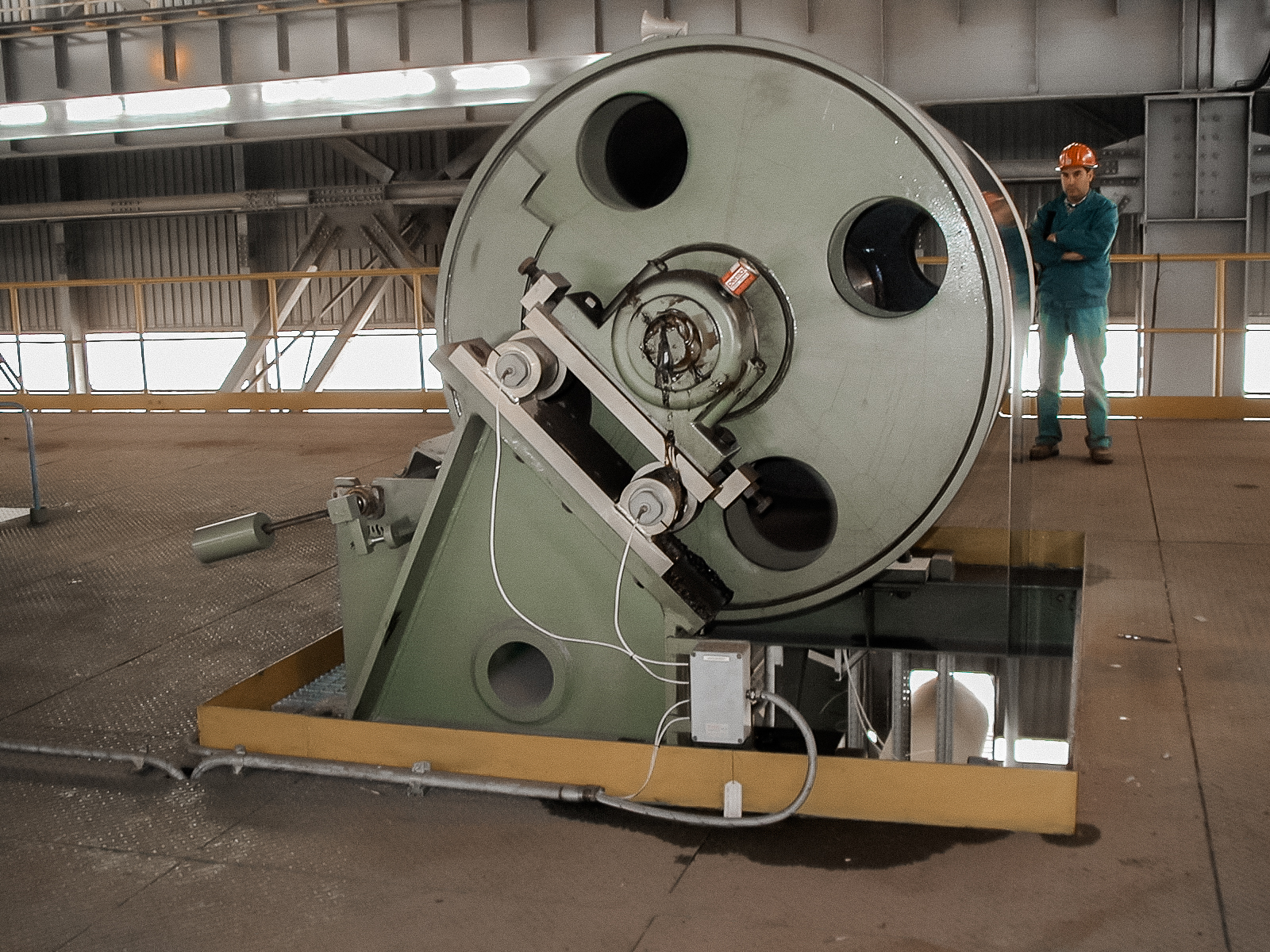
Built to measure the real force, not a component of it
Resultant, not a component
Cylindrical, rotatable designs read the full resultant tension force in its actual direction, eliminating wrap-angle restrictions and single-axis errors.
A few Newtons to mega-Newtons
From the low-force GLT and LTT up to high-tension HTZ modules and mega-Newton mill forces, one supplier covers the entire spectrum.
Built for the mill
Stainless construction, high IP/NEMA sealing and designs insensitive to thermal expansion keep readings stable in furnaces, dryers and washdown zones.
Low profile, fits existing lines
Low building height and custom adaptation to existing bearing and pillow blocks mean minimal change to line profile when retrofitting.
No on-site test weights
Matched, factory-calibrated outputs allow push-button system calibration with BLH Nobel instrumentation.
Transducer to transmitter
Tension signals feed directly into BLH Nobel web tension transmitters that provide excitation and a PLC/DCS communication interface.
Three transducers that cover most lines
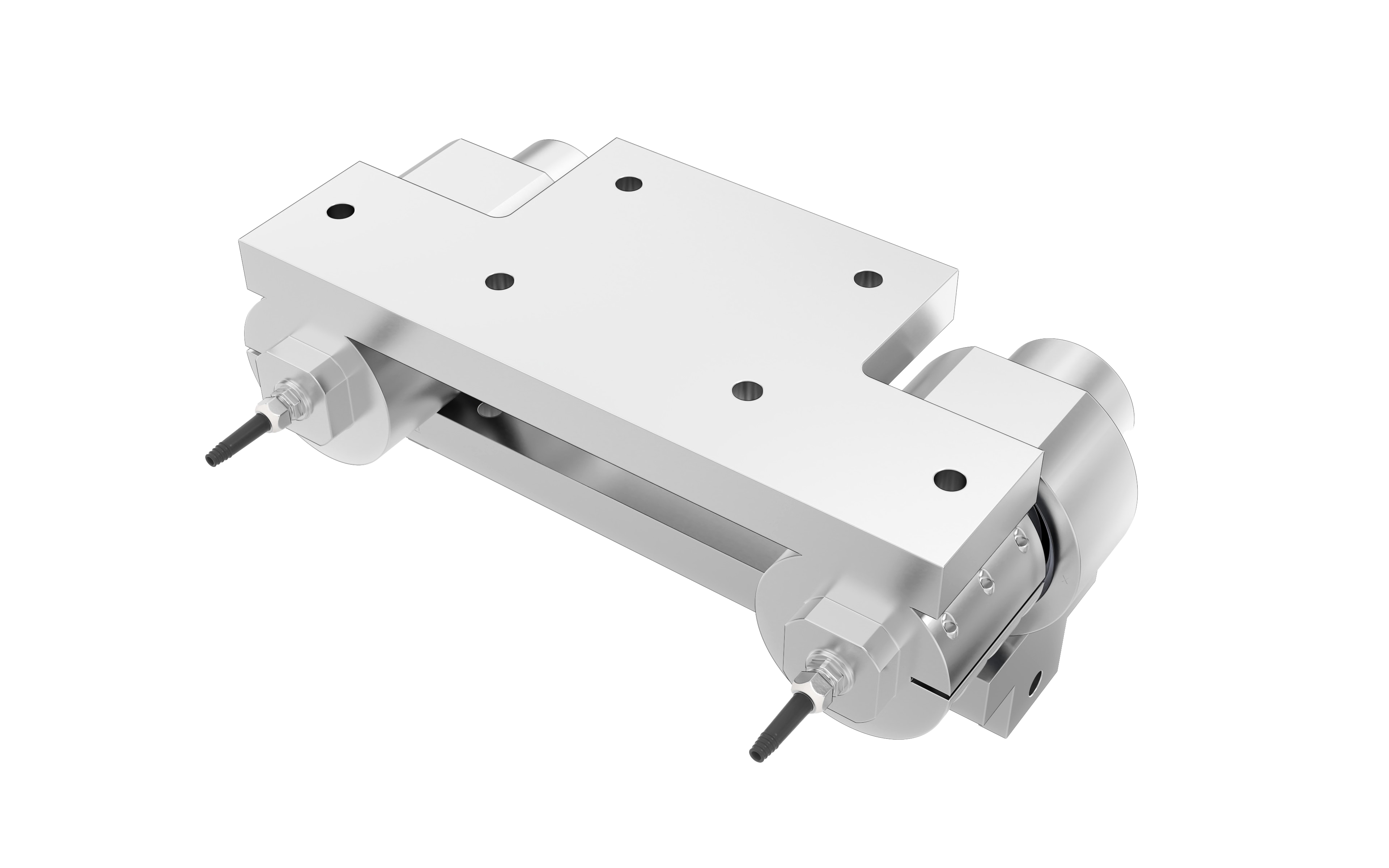
FMU web tension unit
Two precision load cells read the full resultant force, in any mounting position, with a low profile that fits existing bearing housings. 20+ years proven in paper machines and steel strip lines.
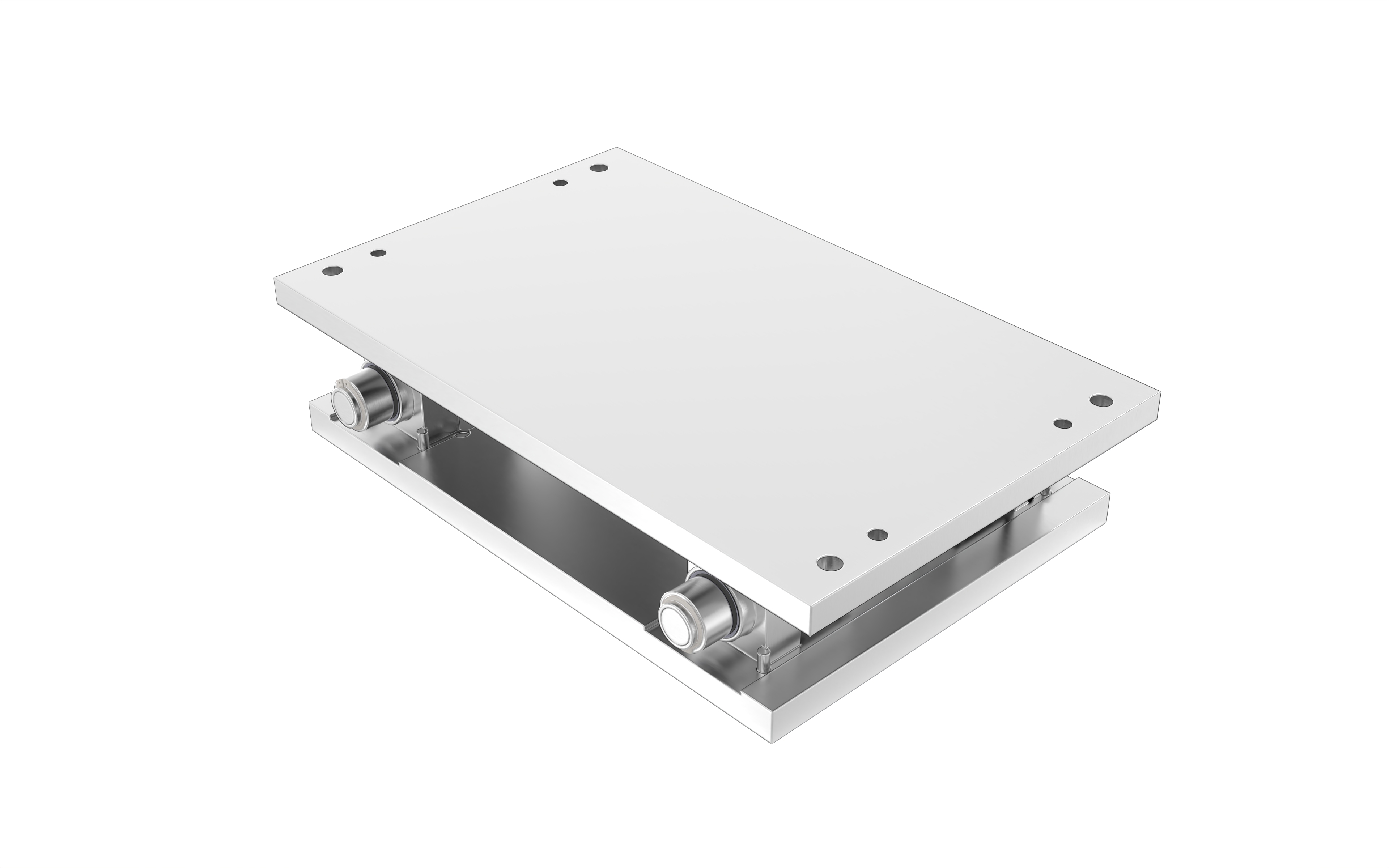
PST strip tension unit
Four KIS load cells, insensitive to the thermal expansion and side loads of the deflecting roller inside a continuous galvanizing or annealing furnace.
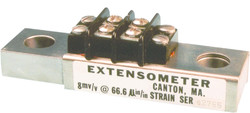
Extensometer
Bolts onto the mill posts with no stand alterations. Calibrated in strain rather than load, turning the mill housing itself into the measuring element.
Every family, grouped by what it measures
Standard building blocks, matched to your force range, mounting and environment. Each links to its own product page for full specifications, capacities and datasheets.
Force transducer or load cell?
Built for weighing
A load cell is a type of force transducer, usually referring to a sensor used for weighing, where the force being measured is a weight.
Built for the process force
The broader term for any sensor that converts a mechanical force, tension, compression, web tension, roll force or torque, into an electrical signal. BLH Nobel's force transducers are specialised for process tasks such as web and strip tension and roll force, where the goal is to measure a process force rather than to weigh a vessel.
Holding strip tension steady through a galvanizing furnace
Consider a continuous hot-dip galvanizing line where strip tension has to be held accurately as the strip runs through a furnace. The deflecting roller inside the furnace expands significantly with heat, and any tension sensor that responds to that axial movement or to side loads would report tension that drifts with temperature. Here a PST furnace strip tension unit is fitted under the measuring roller: built from four KIS load cells in an arrangement that cancels the axial forces and bending moments from thermal expansion, it holds accuracy better than 0.1% at both maximum and minimum tension. It is adapted to the existing bearing blocks with no adapter plates, and its signal feeds a BLH Nobel transmitter for closed-loop tension control.
Across the industries we serve
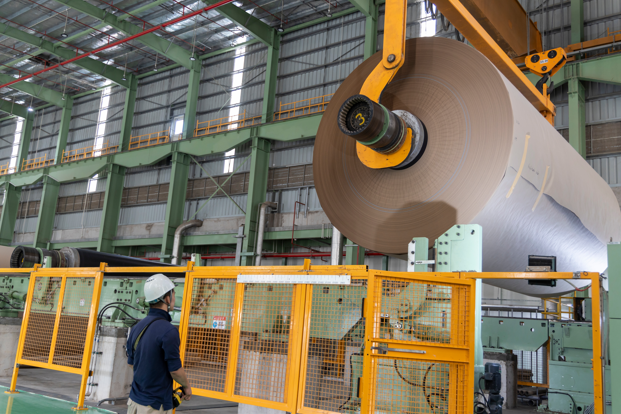
Paper & board
Web tension across all zones of paper machines: felts, dryers, calenders, coaters, winders and rewinders.

Steel & metals
Strip tension on processing lines and roll force in rolling mills, including inside continuous furnaces.
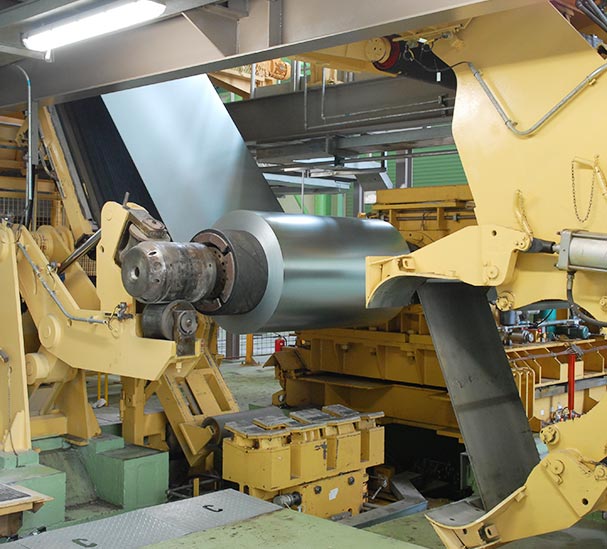
Galvanizing & annealing
Strip tension inside continuous furnaces for hot-dip galvanizing and annealing lines, with the PST unit.
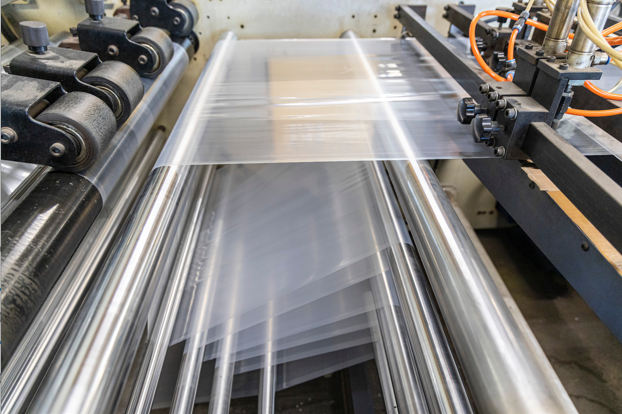
Film, foil & converting
Low-force web tension for converting equipment, laminators, coaters and printing presses.
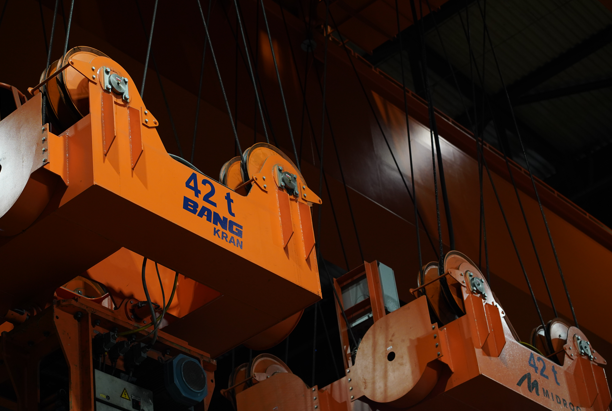
Cranes & lifting
Wire rope tension for overload alarms and overload protection with the clamp-on RTT.
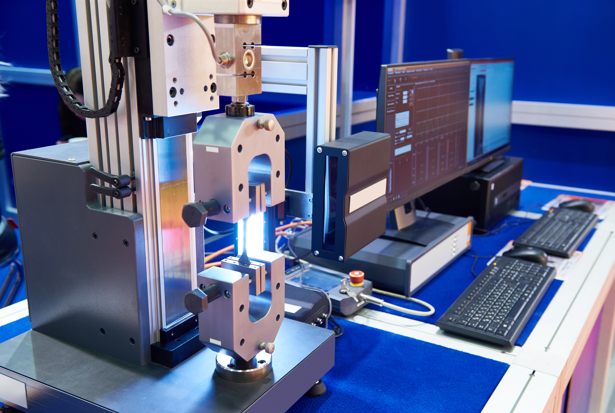
Test & weighing
Tensile testing, dynamometers, crane scales and suspended-vessel weighing with canister load cells.
Force transducer FAQ
What is the difference between a force transducer and a load cell?
A load cell is a type of force transducer, and the terms overlap. "Force transducer" is the broader term for any sensor that converts a mechanical force, tension, compression, web tension, roll force or torque, into an electrical signal. "Load cell" usually refers to a transducer used for weighing, where the force is a weight. BLH Nobel's force transducers are specialised for force tasks such as web and strip tension and roll force, where the goal is to measure a process force rather than to weigh a vessel.
How do you measure web tension on a paper or steel processing line?
Web tension is measured by placing force transducers under the bearings of an idler or measuring roller, so the roller transfers the web's tension force into the transducers. Units such as the FMU, Z1P, GLT, HTZ and LTT mount under the pillow blocks or bearing housings and measure the resultant tension force. Because they can be rotated to the direction of the resultant force, they capture the true tension regardless of wrap angle, and feed the signal into a web tension transmitter for the PLC or DCS.
Which transducer measures roll force in a rolling mill?
Roll force in a rolling mill is measured with an extensometer. Although similar in principle to a load cell, an extensometer is calibrated in strain rather than load, and bolts directly onto the mill posts without altering the stand. Installed on both the work and drive sides, the mill posts themselves become part of the measuring system. For web tension at high forces, the HTZ high-tension module is used instead.
How do you measure strip tension in a continuous galvanizing or annealing furnace?
Strip tension inside a continuous furnace is measured with the PST furnace strip tension unit. The PST uses four KIS load cells in an arrangement that makes it insensitive to the axial forces and bending moments caused by the high thermal expansion of the deflecting roller, giving accuracy better than 0.1% at both maximum and minimum tension. It is custom-adapted to the existing bearing blocks, so no adapter plates are needed.
Can a force transducer measure wire rope tension on a crane?
Yes. The RTT rope tension transducer is a clamp-on module that measures the force in a wire rope, for rope and wire diameters from 10 to 40 mm. It is easy to install and is used for overload alarms and overload protection on cranes. Capacity and output are matched to the application.
Specify the right force transducer
Tell us your line, the force range and the environment, and our application engineers will specify the right web tension, strip tension or roll force transducer, and the matching instrument, for your process.