


The CLC Load Cell
Shear Force Precision — Without Compromize
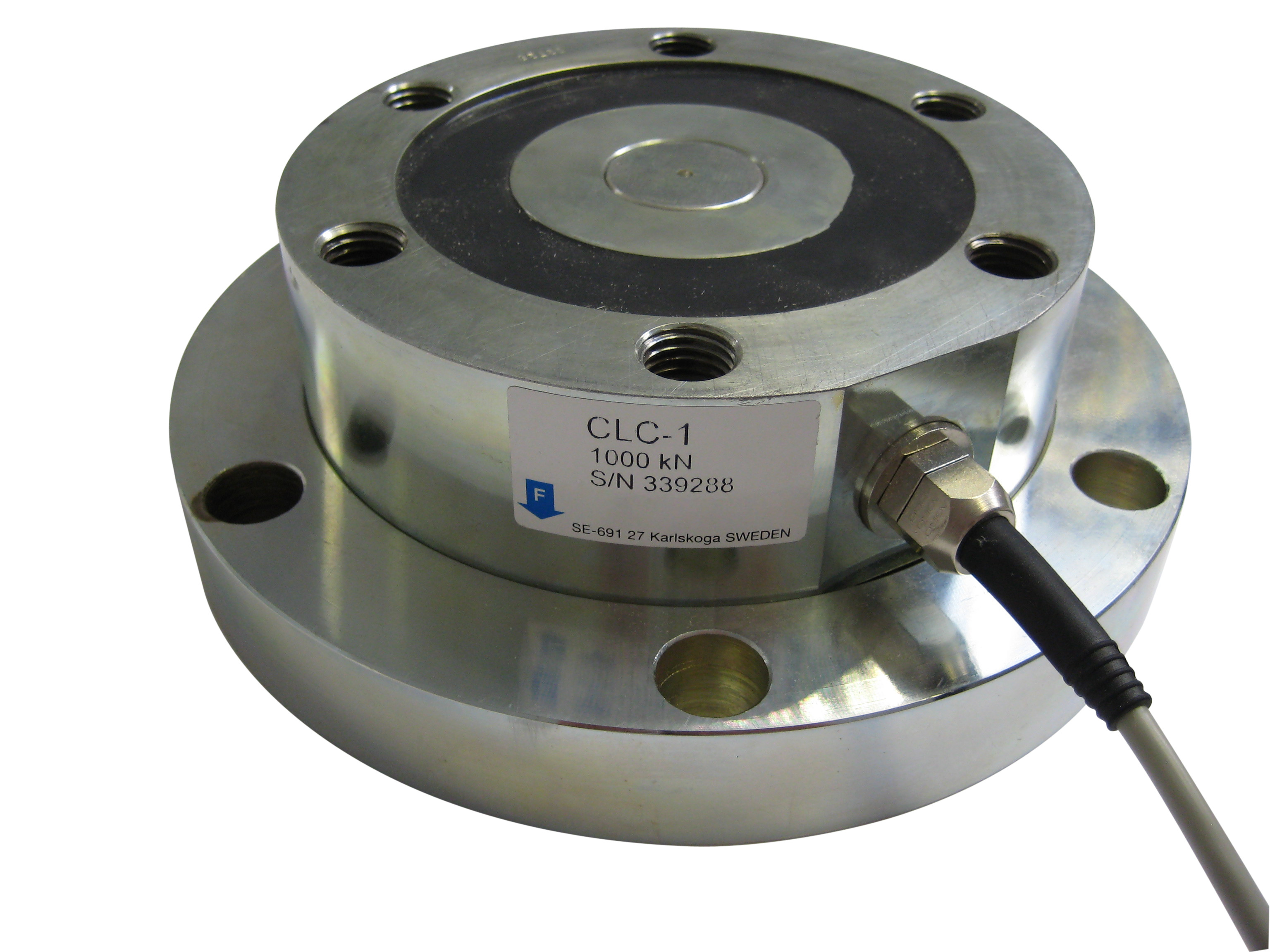
The CLC is a very low profile load cell working according to the shear force principle — with no membrane. That fundamental design choice makes it insensitive to side loading, thermal expansion, and other interfering forces that compromise conventional load cells. From tundish weighing in steel mills at +125°C to on-board weighing in articulated haulers crossing rough terrain at –40°C, the CLC delivers high repeatability and long-term stability where other load cells fail.
Whether you are selecting a load cell for silo and hopper weighing, tundish car monitoring, force measurement in mining equipment, or a custom OEM vehicle integration, the CLC provides a single platform that can be customized in dimensions and capacities to fit your exact application — without compromising the measurement principle.
At a Glance
CLC Load Cell - Specifications
|
Capacities |
250, 500, 1000, 2000 kN (custom on request) |
|
Operating Temperature |
–40°C to +80°C (standard) |
|
Extended Temperature |
+125°C with optional Teflon cable |
|
Protection Class |
IP67 |
|
Material |
Yellow chromate steel |
|
Cable |
10 m special cable (connector optional) |
|
Design Principle |
Shear force, no membrane |
Core Features
WHY THE CLC OUTPERFORMS IN DEMANDING APPLICATIONS
Shear Force Principle — No Membrane
Unlike membrane-based load cells, the CLC measures force directly through shear deformation in the solid steel body. No membrane means no single point of failure in corrosive, high-temperature or high-vibration environments. The result is a shear force load cell with IP67 protection that maintains accuracy year after year.
Insensitive to Side Loading
The CLC’s design inherently rejects lateral forces, pipe reactions, thermal expansion effects and other interfering loads. In silo and hopper weighing, in tundish applications, or on mobile equipment, this means your weight reading stays accurate regardless of what the surrounding structure is doing.
Very Low Profile
The compact form factor fits into space-constrained installations — under silos, inside vehicle chassis, or between support structures — without the structural modifications that taller load cells require. A low profile load cell for harsh environments that integrates rather than intrudes.
–40°C to +125°C Operating Range
Standard operating range from –40 to +80°C covers most industrial and outdoor applications. The optional Teflon cable extends the range to +125°C — making the CLC a proven high temperature load cell for steel mills, foundries, tundish weighing and ladle car applications.
High Repeatability & Long-Term Stability
The shear force design delivers consistent results over years of continuous use. In process weighing where drift means raw material waste or production downtime, the CLC provides the long-term stability that lets you trust your weight readings — not second-guess them.
Customizable Dimensions & Capacities
Standard capacities of 250, 500, 1000 and 2000 kN. Custom capacities, dimensions, and adaptor assemblies on request. BLH Nobel can modify the CLC to fit your specific OEM integration — whether that’s a dump truck weighing system or a custom silo installation.
One Load Cell Platform — Multiple Industries
The CLC's combination of low profile, extreme temperature range, and insensitivity to interfering forces makes it uniquely versatile across industries that other load cells cannot serve with a single platform.
Steel Mill and Foundry Weighing
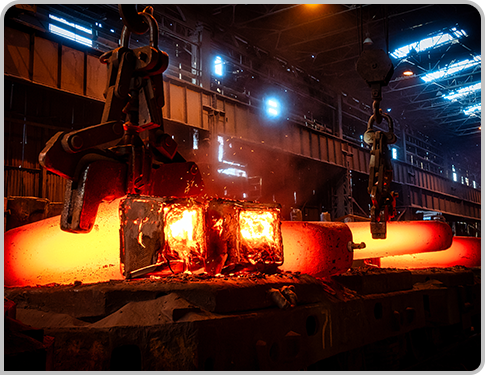
Tundish weighing, ladle car weighing, scrap bucket monitoring, and roller table force measurement. The CLC operates continuously at temperatures up to +125°C in environments with radiant heat, airborne particulates, and heavy mechanical shock — conditions that degrade membrane-based and standard beam load cells.
Silo and Hopper Weighing
Accurate inventory management and dosing control for silos, hoppers, and storage vessels. The CLC's insensitivity to side loading eliminates measurement errors caused by pipe forces, thermal expansion of the vessel, and wind loads — delivering reliable silo and hopper weighing load cell performance without the need for complex mounting arrangements.
Force Measurement for Mining Equipment
Integrated into conveyor structures, crusher systems, and mobile mining equipment for real-time force measurement. The low profile and IP67 protection class make the CLC a force measurement solution for mining equipment exposed to dust, vibration, and extreme temperature cycles from arctic to desert conditions.
On-Board Weighing for Heavy Vehicles
Custom CLC variants are integrated directly into articulated haulers and dump trucks as part of the vehicle OEM design — not as aftermarket add-ons. The load cell-based approach avoids the friction and uncertainties inherent in pressure transmitter systems, delivering a more accurate and reliable on-board weighing load cell for payload monitoring in heavy vehicles.
VOLVO CONSTRUCTION EQUIPMENT
ON-BOARD WEIGHING SYSTEM FOR VOLVO CE ARTICULATED HAULERS
In partnership with Volvo Construction Equipment, BLH Nobel developed a state-of-the-art on-board weighing system for Volvo CE’s articulated haulers. BLH Nobel delivers custom amplifiers and load cells, produced at the BLH Nobel facility in Degerfors, Sweden. The system is available as an option on Volvo CE haulers — and as a market standard in some regions of the world.
The system is fully automatic and minimizes human intervention. During loading, an external light signal indicates underload, overload, or ideal load conditions. A cabin indicator provides live payload data to the driver. Transported loads are logged per cycle and accessible remotely via the telematics system — enabling real-time payload management across entire fleets.
Key Benefits:
- Overload protection on-board weighing — prevents costly vehicle damage and unsafe loads
- Real-time payload management via telematics — fleet-wide visibility and logging
- Load cell-based system — avoids friction and uncertainties of pressure transmitters
- Custom OEM vehicle integration — part of the vehicle design, not an aftermarket accessory
- Integrated angle sensors compensate for roll and tilt angles on uneven terrain
Thousands of BLH Nobel on-board weighing systems are operating all over the world. BLH Nobel has been a partner in development projects for several large vehicle manufacturers and is very knowledgeable about the specific demands, standards and certifications within the industry.
FREQUENTLY ASKED QUESTIONS
CLC LOAD CELL - TECHNICAL Q&A
What is the advantage of a shear force load cell without membrane for harsh environments?
A membrane is a thin, flexible element that deflects under load — and that flexibility makes it vulnerable to fatigue, corrosion, and puncture in harsh conditions. The CLC eliminates the membrane entirely. Instead, it measures force through shear deformation in the solid steel body, which provides far greater mechanical robustness and long-term stability. In environments with high temperatures, airborne particulates, moisture, and mechanical shock — steel mills, foundries, outdoor installations — a low profile load cell for harsh environments based on the shear force principle simply lasts longer and drifts less than membrane-based alternatives.
How to select a load cell that handles side loading and interfering forces in industrial weighing?
In industrial installations, the load you want to measure is rarely the only force acting on the load cell. Pipe connections, thermal expansion of the vessel, wind, agitation, and structural movement all introduce parasitic lateral forces. The CLC’s shear force design inherently rejects these interfering forces — the measurement is sensitive only to the vertical load, not to what the surrounding structure is doing. When selecting a load cell for silo and hopper weighing or tank applications, look for documented insensitivity to side loading, not just high rated capacity.
Which load cell can operate reliably at temperatures from –40°C to +125°C in steel mills and foundries?
The BLH Nobel CLC load cell operates from –40°C to +80°C as standard, and from –40°C to +125°C with the optional Teflon cable. This extended range is specifically designed for continuous use in steel mill and foundry applications — tundish weighing, ladle car weighing, and scrap bucket monitoring — where radiant heat from molten metal creates sustained high temperatures that exceed the limits of most standard load cells.
What makes a low profile load cell suitable for customized dimensions and capacities?
The CLC’s compact shear force construction allows BLH Nobel to modify dimensions, mounting geometry, and capacity ranges without compromising the measurement principle. Standard capacities are 250, 500, 1000, and 2000 kN, but custom capacities and adaptor assemblies are available on request. This makes the CLC a custom load cell for OEM vehicle integration, retrofit installations, and space-constrained applications where standard catalogue products cannot fit.
How does on-board weighing prevent overloading in articulated haulers and dump trucks?
On-board weighing systems using load cells monitor the payload continuously during loading. In the Volvo CE system developed with BLH Nobel, a light signal outside the vehicle indicates underload, overload, or ideal conditions in real time — so the excavator operator can stop filling at the right moment. The driver sees live payload data on a cabin indicator, and all load data is logged per cycle and accessible remotely via telematics. This prevents overloading that causes excessive vehicle wear, and eliminates underloading that wastes transport capacity — a dump truck weighing system that pays for itself by maximizing every load cycle.
NEED AN CLC LOAD CELL FOR YOUR APPLICATION?
Tell us about your environment, capacity requirements, and installation constraints. Our engineers will recommend the right CLC configuration — standard or custom.