


Load Cell Junction Boxes
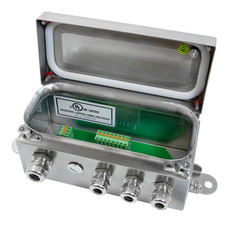
When several load cells must read as one scale, the junction box is where accuracy is won or lost. BLH Nobel summing junction boxes — including the ATEX-certified CGS4-C — combine multiple transducers into a single, stable signal and shield every connection from moisture, dust and electrical noise, so multi-cell weighing systems stay accurate and reliable for the long term.
Core Features
A weighing system is only as accurate as its weakest connection. Each BLH Nobel junction box is built to keep multi-cell systems stable in demanding industrial environments.
- True parallel summing Connects up to four transducers in parallel onto a single summing board, delivering one combined signal to your weighing instrument or transmitter.
- ATEX-certified option The CGS4-C is approved for ATEX zones 0, 1 and 2 (and dust zones 20/21/22), so you can weigh safely inside explosive atmospheres.
- Built for harsh environments The CGS4-C and SL-5 are rugged summing junction boxes built specifically for harsh environments, keeping multi-cell systems stable where standard enclosures fail.
- IP66 ingress protection The CGS4-C and SL-21 carry an IP66 rating, sealing every connection against dust and water in wash-down and outdoor process weighing.
- Simple to install The SL-21 connects up to four transducers to a single weighing instrument via clamp terminals, making field installation fast and straightforward.
- Diagnostics on demand Easy connection to the BLH Nobel load cell tester (model 1008) speeds up testing of individual transducers, calibration, service and fault-finding.
The Range: Four Junction Boxes
- BLH Nobel CGS4-C Rugged ATEX summing junction box for weighing and force measurement inside explosive atmospheres.
- ATEX zones 0, 1 & 2 (dust zones 20/21/22)
- IP66, up to 4 transducers
- Easy connection to load cell tester 1008
- BLH Nobel SL-5 Rugged summing junction box built for harsh environments, with fast diagnostics for service teams.
- Summing of multiple transducers
- Built for harsh environment
- Testing, calibration, service & diagnostics
- BLH Nobel SL-11 Part of the BLH Nobel junction box range for connecting transducers to a single weighing instrument.
- Connects transducers to one instrument
- Full specifications on request
- BLH Nobel SL-21 Simple, reliable summing junction box for connecting up to four transducers to a single weighing instrument.
- Up to 4 transducers
- Clamp terminals, simple to install
- IP66 protection
Industry Applications
BLH Nobel junction boxes sit at the heart of multi-cell systems across demanding industrial settings. The examples below are illustrative of typical applications.
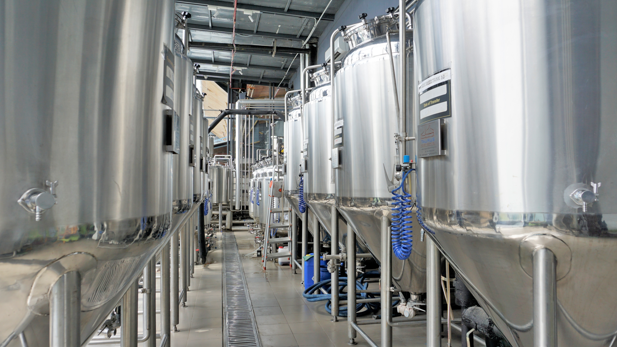
Tank, silo & hopper weighing
Sum three, four or more load cells under a vessel into one accurate level or batching signal. For example: chemical reactors, food & beverage mixing tanks, pharmaceutical dosing.

Hazardous & explosive areas
Weigh safely in ATEX-classified zones with the certified CGS4-C and intrinsic-safety barriers. For example: refineries, fuel terminals, solvent and grain-dust handling.
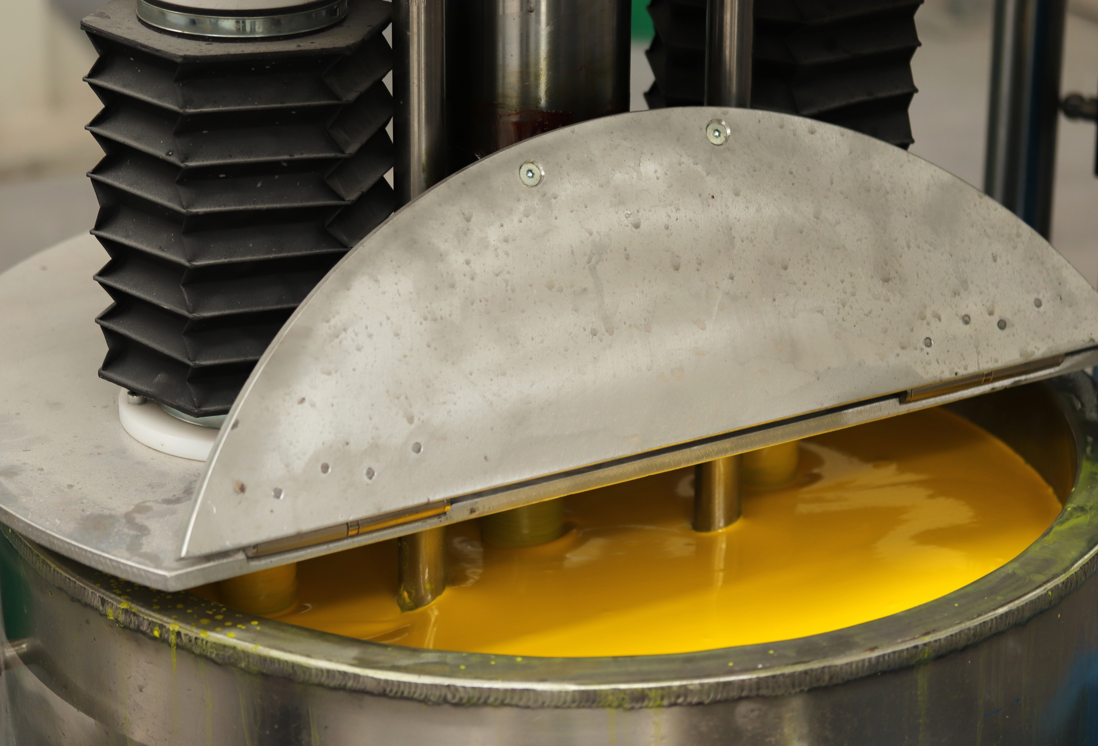
Weighing & force measurement
Combine multiple transducers for both weighing and force-measurement systems, as supported across the CGS4-C range. For example: process weighing, level monitoring, batching systems.
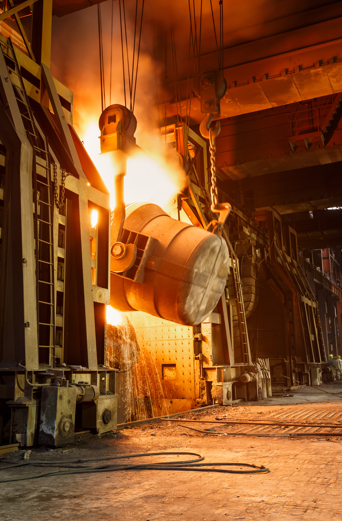
Heavy industry & OEM
Integrate rugged, serviceable junction boxes into batching, level monitoring and force-measurement systems. For example: steel, cement, bulk material handling, system integrators.
Frequently Asked Questions
What is a load cell junction box and how does it work?
A load cell junction box — also called a j-box or summing box — connects two or more load cells (transducers) in parallel and sums their individual outputs into a single signal for the weighing instrument. Inside the enclosure, the excitation and signal lines from each transducer land on a summing board, where equalizing resistors balance the corner outputs so the scale reads the same weight regardless of where the load sits. The sealed housing protects every connection from moisture, dust and electrical noise.
Which junction box do you need for hazardous (ATEX) area weighing?
For explosive atmospheres you need an ATEX-certified junction box such as the BLH Nobel CGS4-C, which is approved for ATEX zones 0, 1 and 2 (and the corresponding dust zones 20, 21 and 22) with an IP66 rating. It is used together with intrinsic-safety barriers between the hazardous and safe areas, in line with the certification, so multiple transducers can be summed safely inside the classified zone.
How do you connect multiple transducers to a single summing junction box?
Each transducer cable enters the box through a sealed gland and lands on clamp terminals for its excitation, signal and — on 6-wire systems — sense lines. All transducers are wired in parallel onto the summing board so their outputs add together, the shields are grounded at a single point, and one home-run cable carries the combined signal to the indicator. The equalizing resistors are then adjusted to trim each corner before the system is calibrated.
What should you look for in a junction box for demanding environments?
Match the junction box to the conditions it will face: a sealed enclosure with the right IP rating against moisture and dust, hazardous-area certification such as ATEX where explosive atmospheres are present, and easy diagnostics for service — for example connection to the BLH Nobel load cell tester 1008. Contact BLH Nobel to match the right model to your transducers, environment and certification requirements.
What is the difference between IP65 and IP67 junction boxes for weighing?
Both ratings are fully dust-tight (the first digit, 6). The difference is the second digit, which describes water protection. IP65 protects against low-pressure water jets from any direction — ideal for wash-down and outdoor process weighing — while IP67 protects against temporary immersion in up to one metre of water for 30 minutes. Choose IP65 or IP66 for typical wash-down and outdoor duty, and IP67 only where the enclosure may be briefly submerged or flooded.
Specify the right junction box for your system
Tell our weighing specialists about your transducers, environment and certification needs, and we will match you to the right CGS4-C, SL-5, SL-11 or SL-21 — and the full BLH Nobel weighing system around it.